
What Should First-Time Glass Buyers Check Before Choosing Between a Hand Pipe and a Bubbler?
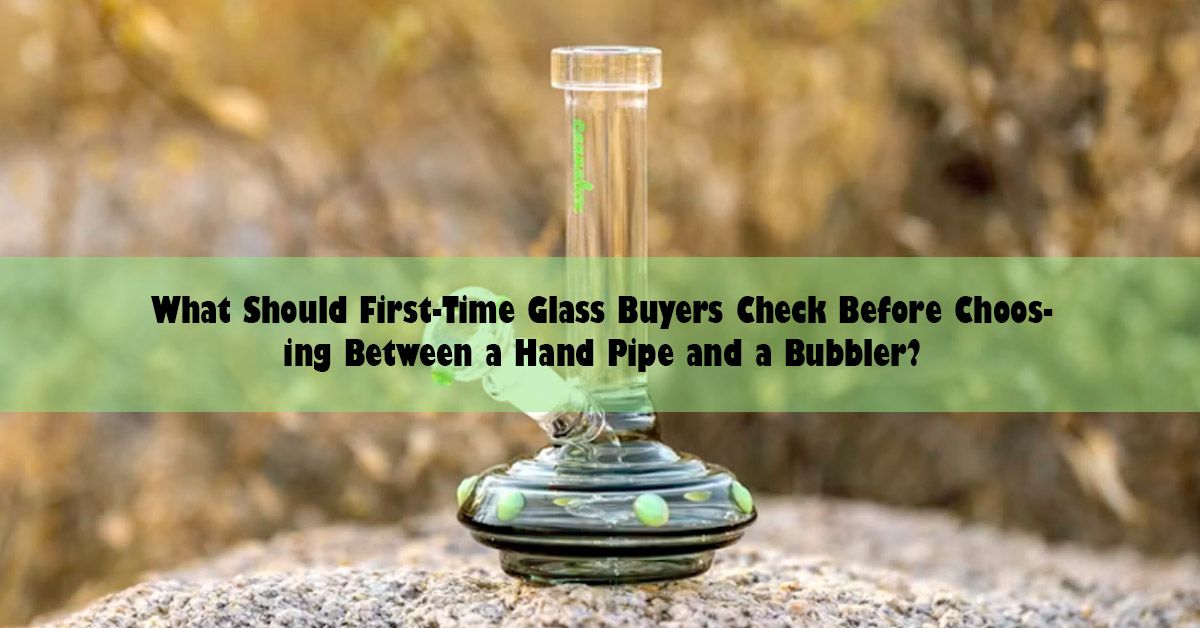
Walking into a head shop or browsing glass online for the first time can feel a little overwhelming. Shelves are lined with pieces in every shape, color, and size, and the price range can jump from a few dollars to a few hundred without much explanation. For most new buyers, the choice usually comes down to two beginner-friendly options: the classic hand pipe and the bubbler.
Both are popular for good reason. A hand pipe is simple, compact, and easy to learn on. A bubbler adds a small water chamber, which many smokers say makes each hit feel smoother and less harsh. If you have been looking at something like a DankGeek bubbler and wondering whether it is worth the step up from a basic spoon pipe, the answer depends less on the piece itself and more on how, where, and how often you plan to smoke.
This guide walks through the real differences between the two, the details worth checking before you buy, and a few common mistakes that trip up first-time glass owners.
Hand Pipe vs. Bubbler: Understanding the Basic Difference
At first glance, a hand pipe and a bubbler look like close relatives, and in many ways they are. Both have a bowl for your flower, a mouthpiece, and usually a carb hole for controlling airflow. The key difference is what happens to the smoke between the bowl and your lungs.
How a Hand Pipe Works
A hand pipe, often called a spoon pipe, is the most straightforward piece of glass you can own. You pack the bowl, cover the carb with your finger, light the flower, and inhale. When you release the carb, fresh air rushes in and clears the smoke from the chamber. There is no water involved, so the smoke travels directly from the bowl to the mouthpiece. This keeps the piece small and simple, but the smoke can feel hotter and drier, especially on bigger hits.
How a Bubbler Works
A bubbler combines the portability of a hand pipe with a small water chamber, similar to a miniature bong. As you inhale, smoke is pulled down through a stem and into the water before rising up to the mouthpiece. Passing through water cools the smoke, which is why many people find bubbler hits gentler on the throat. Some bubblers also include a percolator, a feature that breaks the smoke into smaller bubbles for additional cooling. It is worth noting that water filtration changes how smoke feels, but it does not make smoking risk-free.
Key Things to Check Before Buying Your First Piece
Once you understand how each piece works, the next step is looking closely at the details. Two pipes that look nearly identical in photos can feel completely different in your hand. Before you commit to either style, run through these points:
- Glass thickness and build quality: Quality borosilicate glass is a good choice for durability and resistance to temperature changes. A sturdier construction can also be less prone to breaking from minor impacts.
- Size and portability: Hand pipes slip easily into a pocket or bag, while bubblers are bulkier and hold water that can spill. Think about whether your piece will mostly stay at home or travel with you.
- Bowl size and mouthpiece design: A larger bowl can hold more flower, while a smaller bowl may be more suitable for shorter sessions. The mouthpiece should feel comfortable and sit naturally against your lips.
- Carb placement and airflow: The carb should be easy to cover with your finger while holding the piece naturally. Draw through the mouthpiece before buying if you can; good airflow should feel steady rather than tight or restricted.
- Ease of cleaning: Hand pipes are generally easy to clean because of their open, simple shape. Bubblers have more internal chambers, so check that the openings are wide enough for cleaning solution to move through freely.
- Budget and long-term value: A slightly more expensive piece made from durable glass often outlasts several bargain pipes. Paying a bit more upfront can save money and frustration over time.
None of these factors alone should decide your purchase, but together they paint a clear picture of whether a piece will actually work for you. A pipe that looks great on the shelf but feels awkward in your hand will likely end up in a drawer.
Which One Fits Your Smoking Habits?
There is no universally better option. The right choice depends on your routine, your tolerance for harsh smoke, and how much effort you want to put into maintenance.
When a Hand Pipe Makes More Sense
A hand pipe is a strong starting point if you smoke occasionally, prefer small amounts, or want something compact and easy to carry. It requires no setup, no water changes, and very little upkeep beyond regular cleaning. For people who are still figuring out which strains and effects they prefer, a hand pipe keeps things simple and affordable.
When a Bubbler Is the Better Choice
A bubbler tends to suit people who smoke more regularly or who find dry smoke too harsh. The water chamber can cool the smoke and make it feel smoother, although it does not eliminate the risks associated with smoking. It is also a natural middle ground for anyone who likes the idea of a bong but does not want a large piece taking up space at home. The trade-off is a bit more maintenance, since the water should ideally be changed after each session to keep the piece fresher and the flavor cleaner.
Caring for Your First Piece So It Lasts
Even the best glass will lose its appeal if it is not looked after. Resin builds up quickly, and over time it affects both airflow and taste. A common cleaning method is soaking or shaking the piece with isopropyl alcohol and coarse salt, then rinsing it thoroughly with warm water. Avoid running cold water over hot glass, as sudden temperature changes can cause cracks.
For bubblers, fresh water after every session can make a noticeable difference in flavor. Stale water picks up odors and residue that can carry into the next session. When your piece is not in use, store it somewhere stable, ideally in a padded case or on a soft surface, away from table edges where it can be knocked over.
Common Mistakes First-Time Glass Buyers Make
One of the most frequent mistakes is choosing a piece based on looks alone. Bright colors and unusual shapes are fun, but they should not come at the expense of comfortable handling and sturdy construction. Another common error is buying the cheapest option available and replacing it repeatedly when it breaks.
New buyers also tend to underestimate maintenance. Pieces with complicated chambers or narrow openings can take more effort to clean, so consider accessibility before buying.
Overfilling a bubbler with water is another easy mistake; too much water can splash up into the mouthpiece. The water level should cover the bottom of the stem without coming close to the top of the chamber.
Finally, some people skip checking local rules. Cannabis and accessory laws vary by state and country, so it is always worth confirming what is permitted where you live before buying or carrying glass.
Final Thoughts
Choosing between a hand pipe and a bubbler is less about finding the perfect piece and more about finding the right fit for your habits. If you want simplicity and portability, a well-made hand pipe will serve you well. If you value smoother-feeling hits and do not mind a little extra upkeep, a bubbler is worth considering.
Whichever direction you go, focus on sturdy glass, comfortable design, and easy cleaning. Those basics matter far more than trends or flashy designs and can help you choose a piece you'll be comfortable using and maintaining over time.