
Cannabis Vape Cartridges Explained: Types And Key Differences
- What Is a Cannabis Vape Cartridge?
- Types of Cannabis Vape Cartridges
- 1. 510-Thread Cartridges
- 2. Proprietary And Pod-Style Cartridges
- 3. Disposable All-In-One Vapes
- 4. Distillate Cartridges
- 5. Live Resin Cartridges
- 6. Rosin Cartridges
- 7. CO2 Oil Cartridges
- 8. THC, CBD, and Blended Cartridges
- Key Differences
- Final Thoughts
Step into a legal dispensary, and you will see a wall of different cannabis cartridges for your choice, with promises of flavors, potencies, and experiences.
For beginners, such diversity can be daunting.
Some cartridges screw onto a universal battery, others only work with one brand, and some arrive as sealed, all-in-one disposables. The liquid inside can be a distillate, live resin, rosin, or CO2 extract, each with its own distinct features.
Understanding these options helps you buy with confidence, avoid compatibility issues, and spot red flags in quality before spending money.
This guide explains what a cartridge is and how it works, lists and describes the main types, and then compares the key differences in price, flavor, flexibility, and quality that matter most when choosing one.
What Is a Cannabis Vape Cartridge?
The cannabis oil vape cartridge is a compact, prefilled device that incorporates a heating element referred to as an atomizer. When the cartridge is connected to the battery, the heating element heats the oil, causing it to vaporize, and the user exhales the vapor through the mouthpiece. Most cannabis cartridges use a wicking system to deliver oil to the coils, where it will be vaporized directly.
The cartridge is discreet because the oil it uses does not contain any plant materials. Likewise, the oil vaporizes faster, and there is almost no smell compared to when smoking flower. There are two main sizes of cannabis vape cartridges, and they include 0.5mL (half grams) and 1mL (full grams). Most cannabis cartridges use glass and ceramic materials, though some use metallic casing.
In addition, it is crucial to handle the cartridges correctly because most are breakable. Store them in a vertical position, away from heat sources, because heat thins the oil, causing it to leak. Their simple use (attach the cartridge, vape a little, and be done with it) makes them popular, but there is much more variety among cartridges.
Cartridges differ in the hardware that connects them to a battery, the type of oil inside, and the cannabinoids that oil contains, and those differences shape price, flavor, and the overall experience.
Types of Cannabis Vape Cartridges
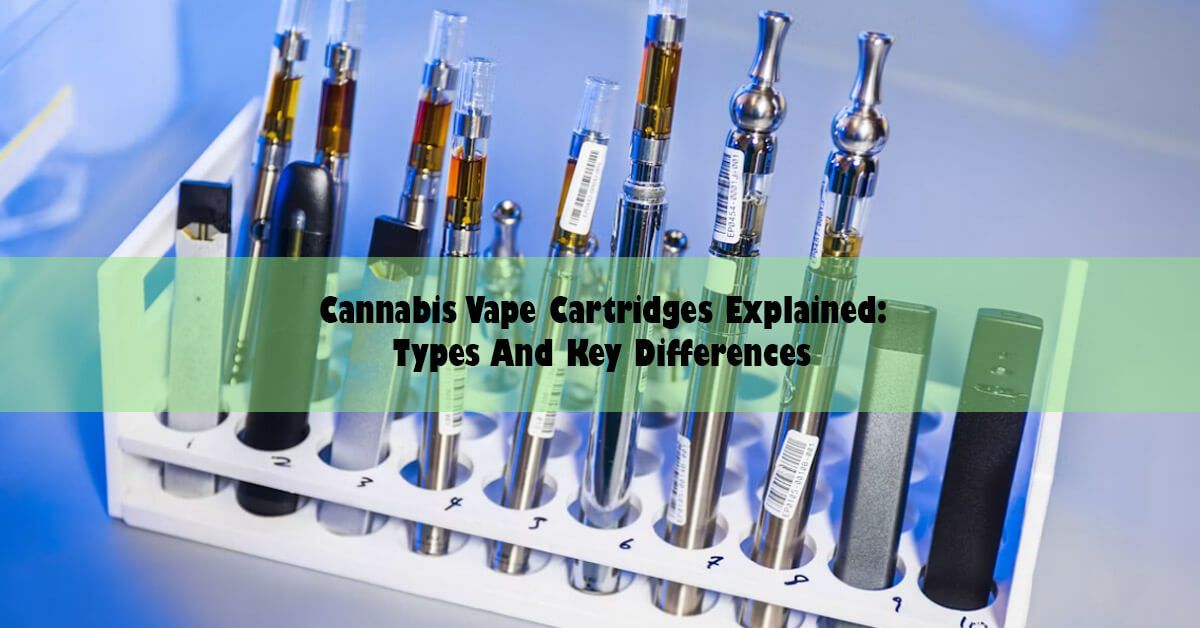
Cartridges are usually grouped by hardware format and by the oil they contain. The main types are listed below.
1. 510-Thread Cartridges
The most common hardware type. A standardized threaded base fits most batteries, so you can swap brands and oils while keeping the same battery. The only requirement is compatibility: a 510 cartridge needs a 510 battery.
Batteries range from simple one-button models to adjustable-voltage versions, and a good battery can noticeably improve cartridge performance. This flexibility makes 510 carts a favorite among people who like to try different oils.
2. Proprietary And Pod-Style Cartridges
These cartridges are designed to work only with a particular brand's battery, such as PAX. They are mostly sold by licensed vendors and provide reliable performance and temperature control in certain situations.
The downside here is the lack of variety since you will have to stick with one particular brand and its system; you won't have as much choice as with 510 carts. For users who value simplicity, that closed design can be a strength.
3. Disposable All-In-One Vapes
The battery, tank, and mouthpiece are combined into a single sealed unit. There is nothing to charge or match, which suits beginners and travel. When the oil or battery runs out, the whole device is thrown away, creating more waste than a reusable battery would.
You also cannot swap in a different oil, and over time, disposables can cost more than refilling a battery you already own.
4. Distillate Cartridges
Distillate is highly purified and very potent, with terpenes added for flavor. Distillate is widely available and the least expensive oil; hence, it is commonly used by beginners. The flavor may not be as strong, but if terpenes are added, the smell can vary depending on the producer.
5. Live Resin Cartridges
The live resin extraction technique uses plant material that is frozen when it is still alive. This helps maintain the terpenes in their natural form, and live resins cost more than regular distillates. They have a rich flavor profile and can be selected based on flavor preferences.
6. Rosin Cartridges
Rosin is a solventless extract made with heat and pressure. It is prized for its natural flavor, though not every rosin suits a cartridge because texture and stability vary. When it works well, it delivers one of the most natural-tasting vapor experiences available.
7. CO2 Oil Cartridges
CO2 oil can be made by using carbon dioxide under pressure and offers a cleaner profile than other oils. The availability of CO2 oil varies by brand, so it is recommended to consult the product description.
8. THC, CBD, and Blended Cartridges
The majority of carts are THC-based. CBD carts have virtually no THC in them, while blended products have a ratio of 1:1 or 2:1 of CBD to THC for a milder high. Higher percentages are not automatically better, and the right profile depends on your experience and tolerance.
Key Differences
The table below compares the three hardware formats, so you can weigh convenience, flexibility, and cost at a glance.
| Type | Battery | Flexibility | Best for |
|---|---|---|---|
| 510-thread | Separate, widely compatible | High: swap brands freely | Experimenting with oils |
| Proprietary / pod | Brand-specific | Low: one ecosystem | Consistency and simplicity |
| Disposable | Built in | None: single use | Beginners and travel |
The other important factor is the type of oil used.
Distillate is all about strength and price, rosin is all about taste and smell, and CO2 oil is all about the purity of the experience. The percentage of cannabinoids is also an important factor here. However, more is not necessarily better, so always look at the label to see what you are getting. Also, make sure to read the lab report, if possible.
Finally, do not forget about size – smaller carts cost less initially but will require replacement faster, while full-gram carts usually offer better value per milliliter.
Final Thoughts
Although cannabis vape cartridges all look alike on the shelf, they are different in several respects.
Hardware determines how customizable and convenient your setup will be, with 510-thread carts enabling brand portability, proprietary carts ensuring consistency, and disposable carts simplifying everything. The oil itself determines flavor, strength, and price, while cannabinoid ratio and cartridge size influence them both.
The quality is crucial here too, so choose only from a trustworthy source and read the lab tests. Compare these factors against your own tolerance, budget, and preferences. Begin with small puffs, and speak with a healthcare professional if you have any health concerns.