
What Ingredients Should You Avoid in Lower-Quality Delta 9 Edibles?
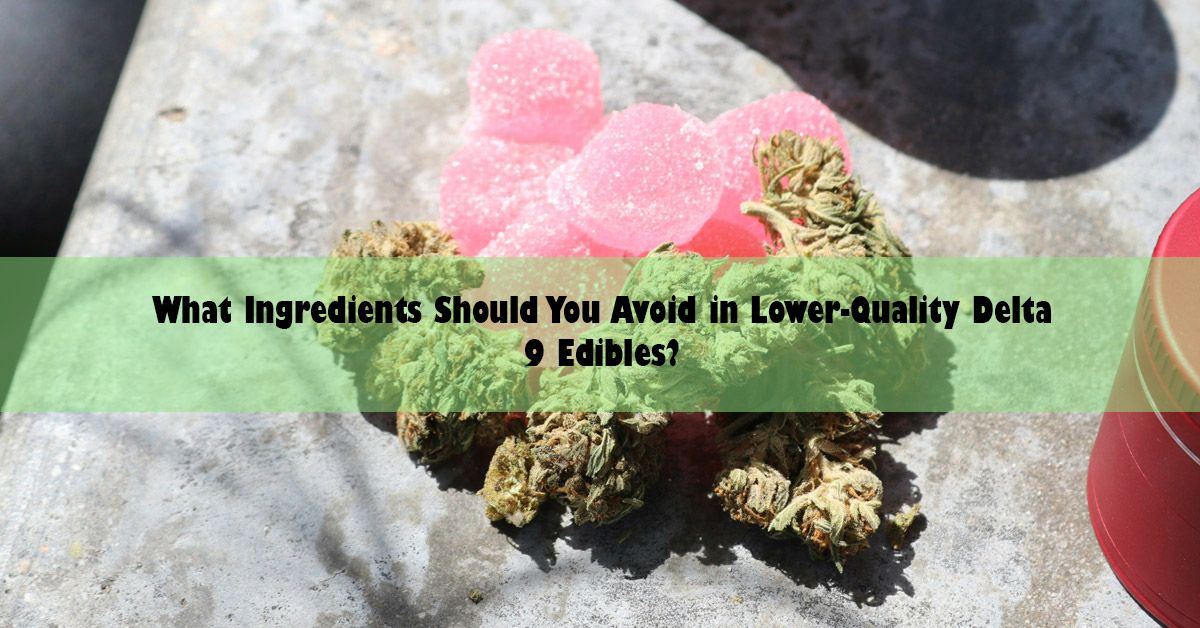
Many people explore Urb Delta 9 Gummies for a steady and measured experience, but not every product meets basic quality standards. Some brands fill their edibles with low-grade ingredients that can reduce both safety and consistency. Knowing which ingredients to avoid helps prevent unwanted effects and supports a cleaner, more dependable experience.
Quality Delta 9 edibles focus on pure hemp extracts and natural flavors. Poorly made products may include additives, cheap fillers, or artificial coloring without lab tests to prove safety. This article explains which ingredients signal low quality so consumers can make smarter choices about what they eat.
Gelatin, especially non-vegan sources
Gelatin often appears in Delta 9 gummies and other chewy edibles as a thickener or texture stabilizer. It comes from animal collagen, usually from pig or cow bones and skin. While this makes it inexpensive and effective, it raises concerns for people who follow vegetarian, vegan, or religious dietary restrictions.
Non-vegan gelatin may also appear in low-quality edibles that use cheaper ingredients to cut costs. These products can contain added preservatives or artificial colorings that irritate sensitive consumers. Therefore, anyone with allergies or specific dietary needs should read the ingredient label carefully.
Plant-based alternatives like agar agar, pectin, or carrageenan create similar textures without animal-derived ingredients. They also reduce the chance of contamination from low-grade animal sources. Choosing edibles made with these plant-based gelling agents can support cleaner, more transparent production practices and appeal to a wider range of consumers.
Artificial colors like Red 40 or Yellow 5
Artificial colors such as Red 40 and Yellow 5 often appear in lower-quality Delta 9 edibles to create brighter, more appealing shades. These synthetic dyes come from petroleum-based sources and serve no real purpose other than to alter appearance. Many manufacturers use them because they are cheap and easy to mix into candy-like products.
Some consumers may prefer to avoid artificial colors due to possible sensitivity or allergies. Certain studies have linked these additives to mild behavioral or allergic reactions in a small number of people, though research results vary. It is best to read labels closely since color additives can appear under names like “FD&C Red 40” or “Yellow 5.”
A higher-quality edible usually uses natural plant-based color sources, such as fruit or vegetable extracts. This approach supports a cleaner ingredient list and may appeal to those aiming for fewer synthetic ingredients in their wellness products.
Excessive sugar or high-fructose corn syrup
Low-quality Delta 9 edibles often rely on high levels of sugar or high-fructose corn syrup to mask poor flavor. These sweeteners may make the product taste good at first, but they add little nutritional value. Over time, high amounts of added sugar can affect energy levels and overall wellness.
High-fructose corn syrup comes from corn and contains a mix of fructose and glucose. Manufacturers use it because it is cheap and helps preserve texture and sweetness. However, high intake of this ingredient can lead to unwanted calorie buildup and may contribute to poor dietary habits.
Better-made edibles use natural sweeteners in smaller amounts or rely on ingredients like fruit purees to achieve flavor balance. This approach keeps the sweetness moderate while reducing unnecessary additives. Consumers who want a cleaner product should check ingredient labels carefully before purchasing any Delta 9 edible.
Unverified synthetic flavorings or additives
Some Delta 9 edibles may contain artificial flavorings or additives that have not been fully studied or approved for safe use in cannabis products. These chemicals often aim to improve color, texture, or taste but can raise health concerns if their sources remain unclear.
Unverified synthetic flavors may come from lab-made compounds that try to copy natural tastes. Although they can create a stronger or sweeter flavor, they may also include substances linked to allergic reactions or digestive discomfort. Therefore, it is safer to choose products that clearly list natural or food-grade ingredients.
Additives such as artificial colors, preservatives, and sweeteners can also lower the quality of an edible. Some can break down under heat or interact with cannabinoids, which might affect potency or taste. Transparent labeling helps consumers see exactly what goes into their product before purchase.
Pesticide residues from non-organic hemp
Non-organic hemp often contains traces of pesticides used to control insects and mold during cultivation. These chemicals can remain in the plant material and later appear in edibles made from it. Even small residue levels may raise safety concerns if the extraction process concentrates them.
Organic farming standards limit or ban such chemicals, while non-organic crops may use a wider range of substances. Some residues fall below federal tolerance limits, yet repeated exposure through concentrated hemp oils could still matter over time.
Testing helps identify pesticide contamination before products reach consumers. However, not all producers meet strict testing requirements, and fewer regulations exist for hemp than for other crops. Therefore, lower-quality Delta 9 edibles made from non-organic hemp can carry unwanted pesticide traces that affect purity and safety.
Conclusion
Consumers should pay attention to ingredient lists before buying Delta 9 edibles. Products that contain high-fructose corn syrup, artificial colors, or synthetic flavors often point to lower-quality manufacturing. These additives may reduce the product’s purity and overall safety.
It also helps to look for edibles made from organically grown hemp and produced without gelatin or artificial sweeteners. Such choices limit exposure to unwanted chemicals. Clear labels, verified lab tests, and transparent sourcing reflect brands that handle their products with better care.
By focusing on clean and simple ingredient lists, buyers can make safer choices and avoid products that cut corners. Selecting natural components supports both product quality and personal health.