
How to Rebuild Healthy Habits After Years of Restrictive Eating
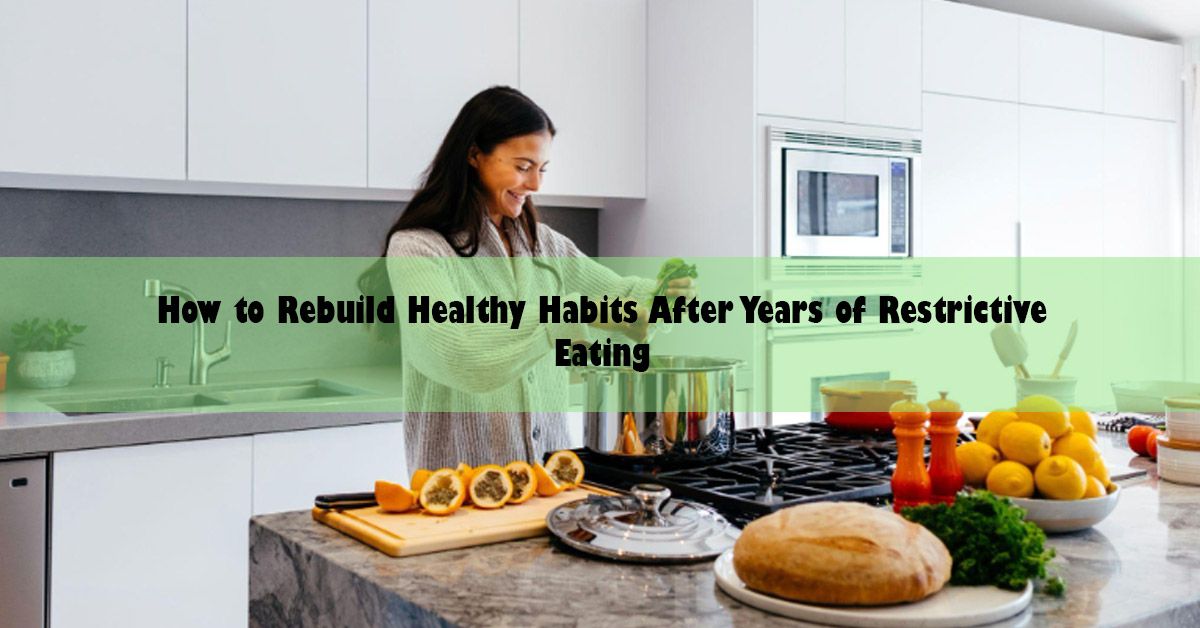
Recovering from years of restrictive eating is rarely a simple process. Many people spend so much time following rigid food rules, tracking every meal, or avoiding entire categories of food that normal eating habits can begin to feel unfamiliar. Even after someone decides they want a healthier relationship with food, rebuilding trust in hunger cues, meal routines, and everyday decision-making often takes time.
One of the biggest challenges is that restrictive eating affects more than nutrition alone. It can influence social activities, daily schedules, self-image, stress levels, and how people think about food throughout the day. Because these patterns often develop gradually, rebuilding healthier habits usually involves patience and consistency rather than dramatic changes.
Recovery Often Starts With Structure
Many people assume that moving away from restrictive eating means removing all structure immediately. In reality, some level of consistency can be helpful during recovery, especially when hunger cues and eating patterns feel unpredictable after long periods of restriction.
Regular meals, balanced snacks, and predictable eating opportunities often help create stability while reducing the pressure to make perfect food decisions constantly. The goal is not rigid control but developing routines that support nourishment without turning every meal into a source of stress.
Someone navigating recovery may work with an anorexia dietitian while learning how to rebuild sustainable eating habits, challenge long-standing food fears, and establish routines that support long-term well-being rather than restriction.
Progress Usually Feels Gradual
One reason recovery can feel frustrating is that progress rarely follows a straight line. Some days may feel easier than others, and old thought patterns occasionally return even when meaningful progress is being made.
This is normal. Habits developed over years often require time to change. Focusing exclusively on quick results can create unnecessary pressure that makes recovery feel more difficult than it needs to be.
Many people find it helpful to evaluate progress through consistency and overall well-being rather than expecting every day to feel perfect.
Identity Often Changes During Recovery
Restrictive eating patterns sometimes become closely tied to personal identity. People may spend years defining themselves through food rules, exercise routines, or highly controlled behaviors.
As those patterns begin to change, it is common to explore new interests, hobbies, and social activities that are not centered entirely around food or body image. Building a fuller sense of identity often helps create stability during recovery because self-worth becomes connected to a wider range of experiences.
This process may feel uncomfortable initially, but it frequently creates opportunities for growth beyond the recovery journey itself.
Social Situations Can Be Part of Healing
Meals are often connected to celebrations, family gatherings, travel, and everyday social experiences. For someone recovering from restrictive eating, these situations may initially feel challenging because they involve uncertainty and flexibility.
Over time, however, participating in these moments can help rebuild confidence around food. Sharing meals, attending events, and allowing room for spontaneity often become important parts of developing a healthier relationship with eating.
The focus gradually shifts away from controlling every detail and toward participating more fully in everyday life.
Recovery Involves More Than Food
While nutrition plays a central role, recovery often includes emotional, social, and lifestyle changes as well. Learning to manage stress, improve self-talk, establish healthy boundaries, and create supportive routines frequently contributes to long-term success.
Many people discover that improving overall quality of life makes it easier to maintain healthier eating habits because food no longer carries the same emotional weight it once did. Recovery becomes less about following rules and more about building a life that feels sustainable and fulfilling.
Building a Life Beyond Restriction
As people move further away from restrictive eating patterns, many begin investing more time in interests that bring enjoyment, creativity, and connection. Hobbies, travel, art, community involvement, and personal projects often help create a broader sense of purpose beyond food-related concerns.
Items from Badass Glass may become part of those everyday lifestyle spaces where people focus on personal interests, home environments, and activities that reflect who they are outside of recovery-focused routines. Over time, these interests often become an important reminder that life contains far more than the rules and limitations that once defined daily habits.
Ultimately, rebuilding healthy habits after years of restrictive eating is not about achieving perfection. It is about gradually creating routines, relationships, and experiences that support a healthier and more balanced way of living.
Learning to Trust Your Body Again
One of the most difficult parts of recovering from restrictive eating is rebuilding trust in the body's natural signals. Years of dieting, food rules, calorie limits, or avoidance behaviors can make hunger, fullness, cravings, and energy needs feel confusing or unreliable. Many people become accustomed to following external rules rather than paying attention to what their bodies are actually communicating.
Rebuilding that trust usually happens through repetition rather than perfection. Eating consistently, responding to hunger without guilt, and allowing flexibility around food choices can gradually strengthen confidence over time. While the process often feels uncomfortable at first, many people eventually find that everyday decisions become less stressful when they no longer rely on rigid rules to guide every meal. Learning to trust the body again is often one of the most meaningful steps toward creating a healthier and more sustainable relationship with food.